Twisters (2024) Takes Cinemas by Storm: A Critical Review

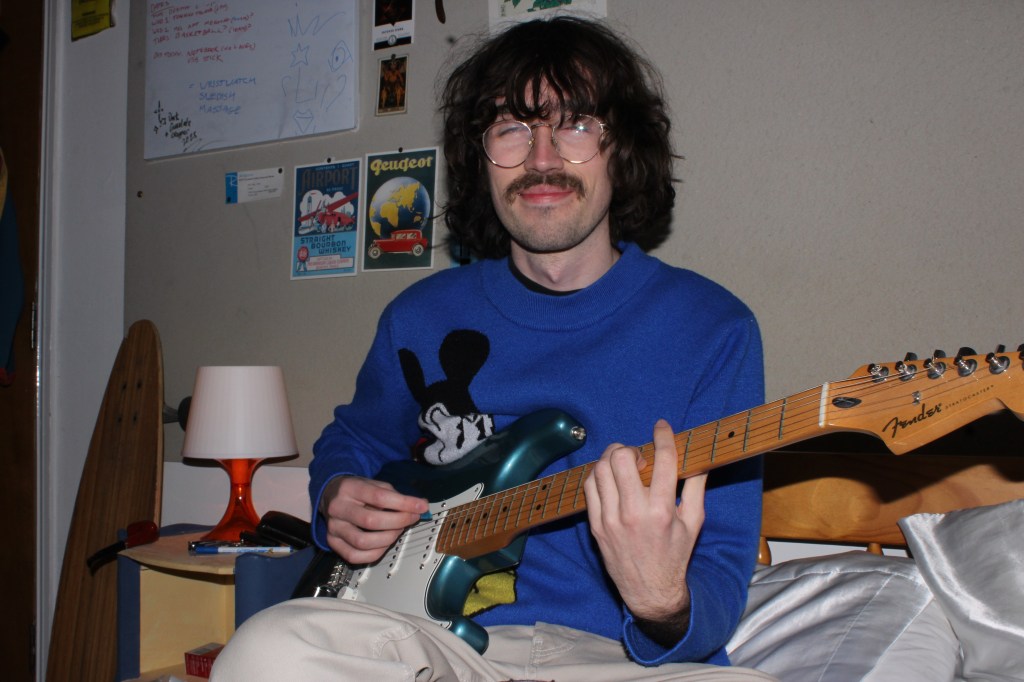
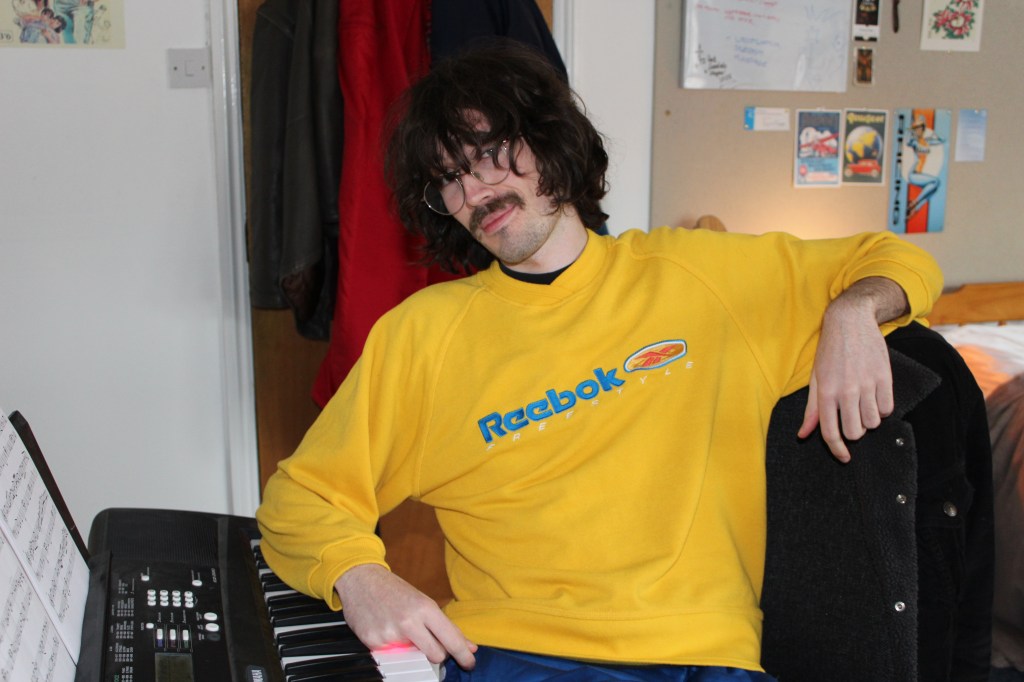
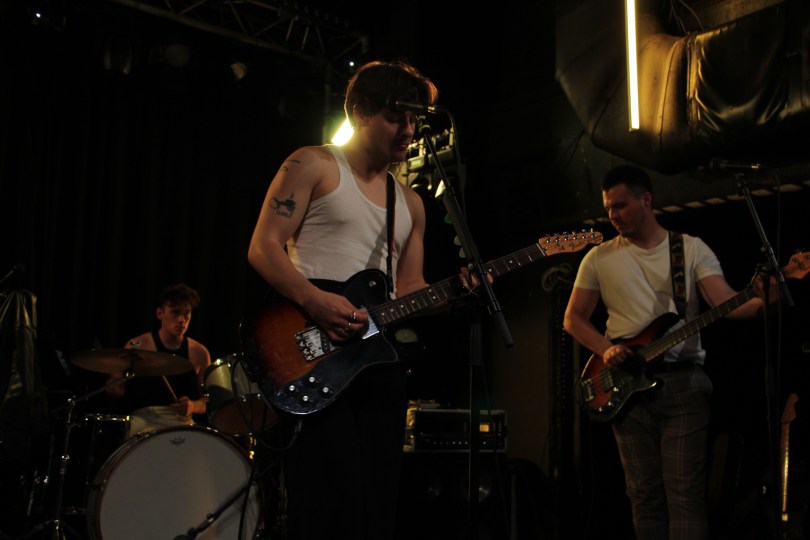
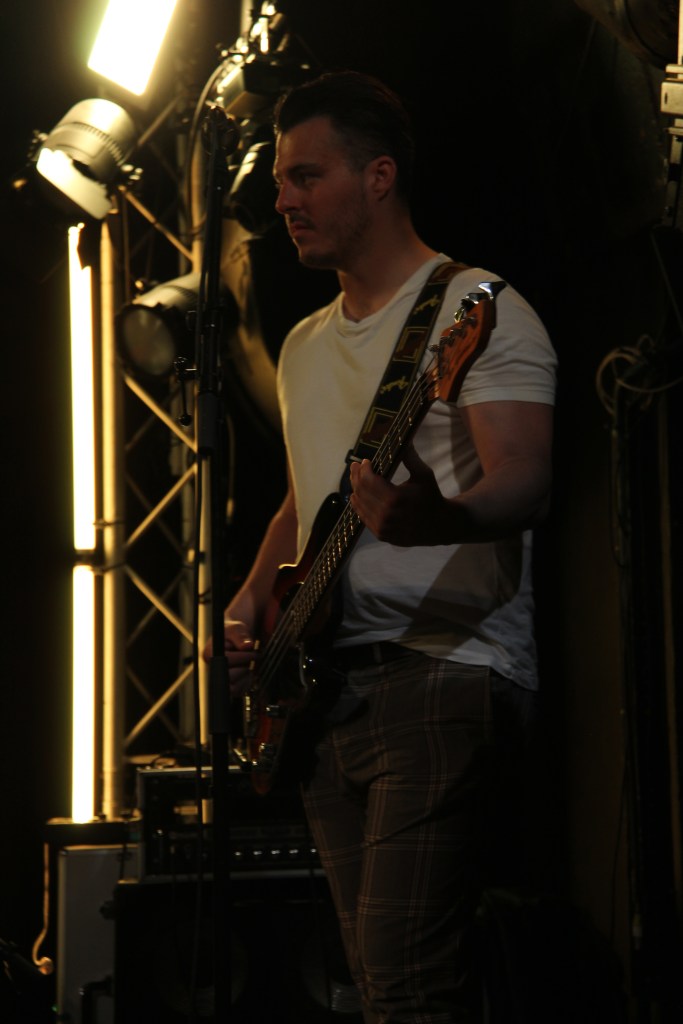
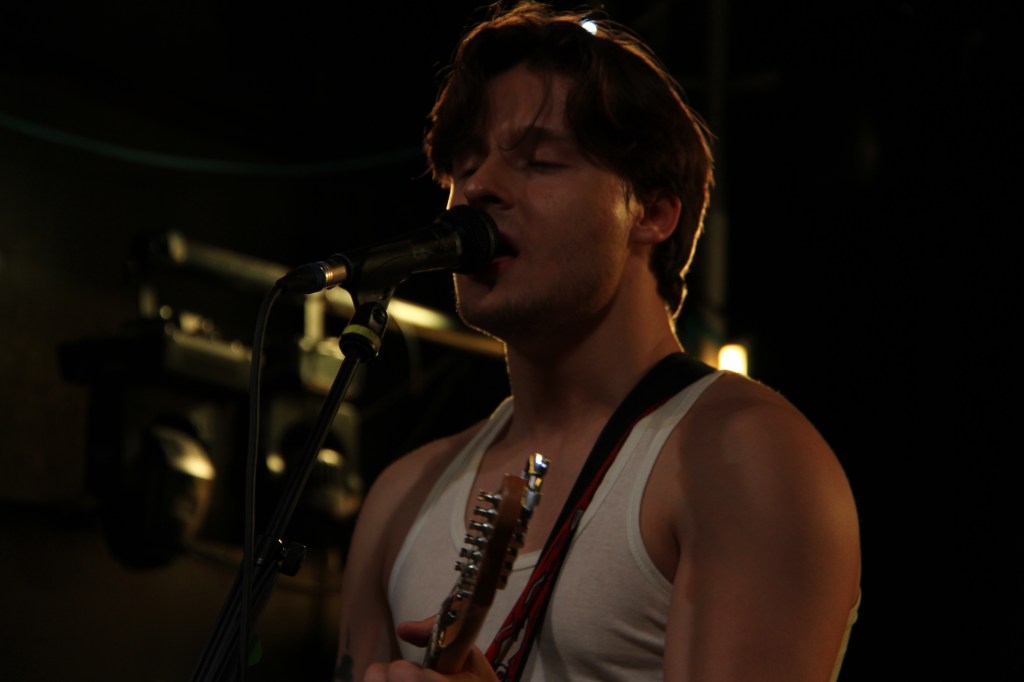
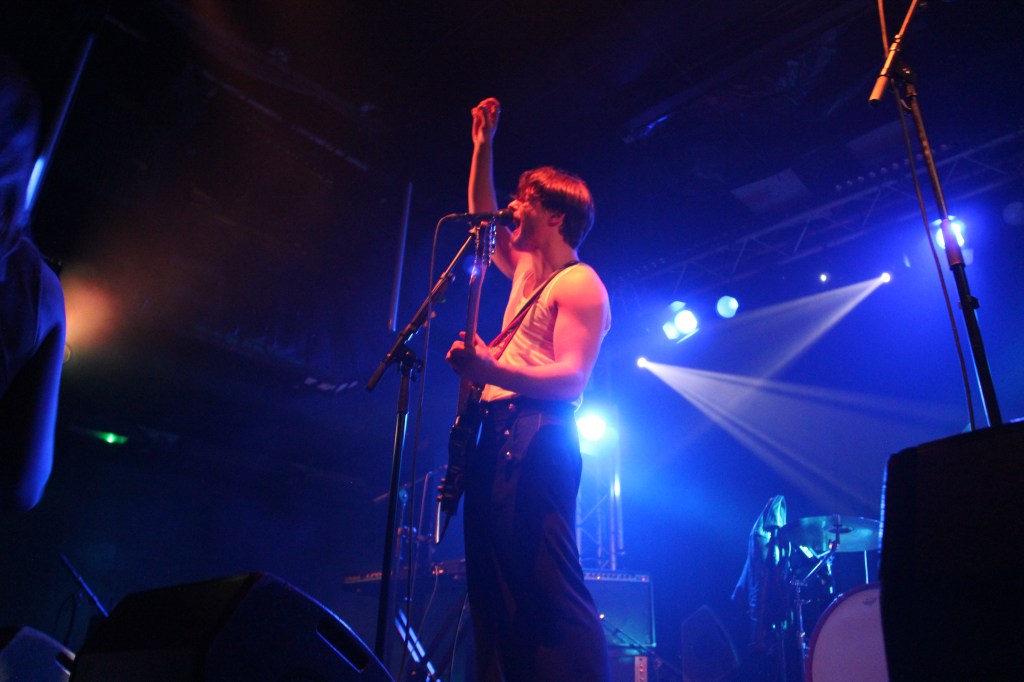
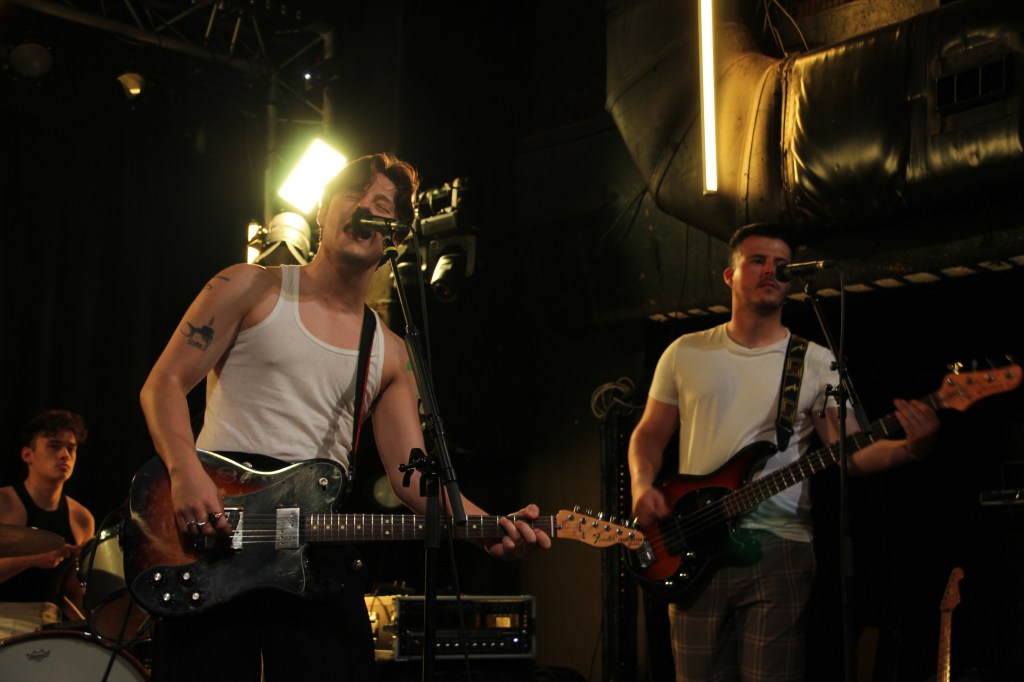
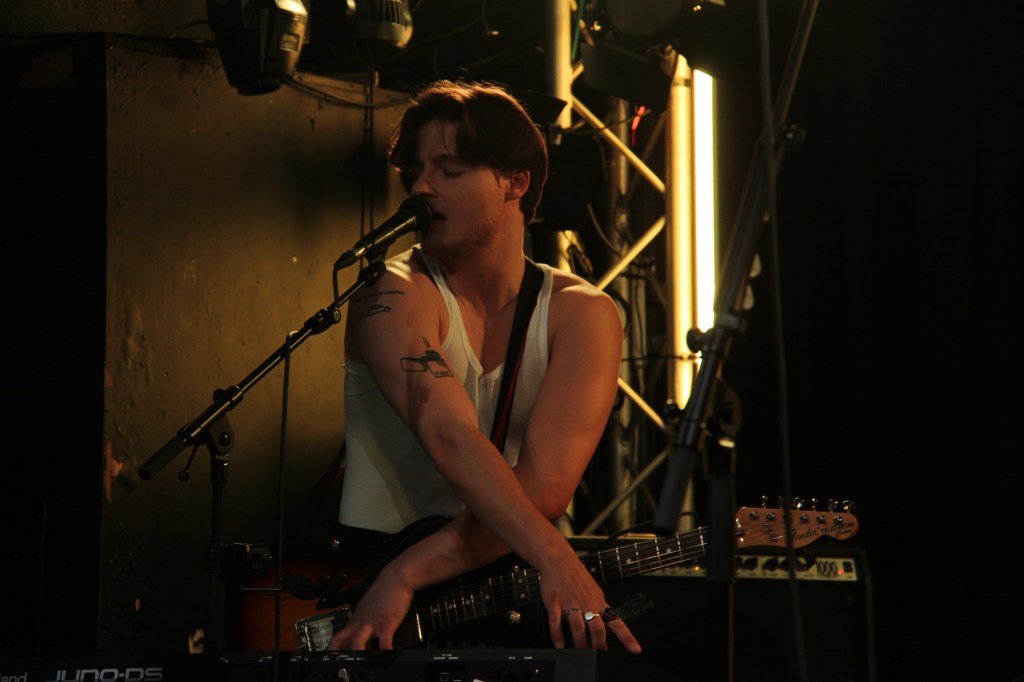
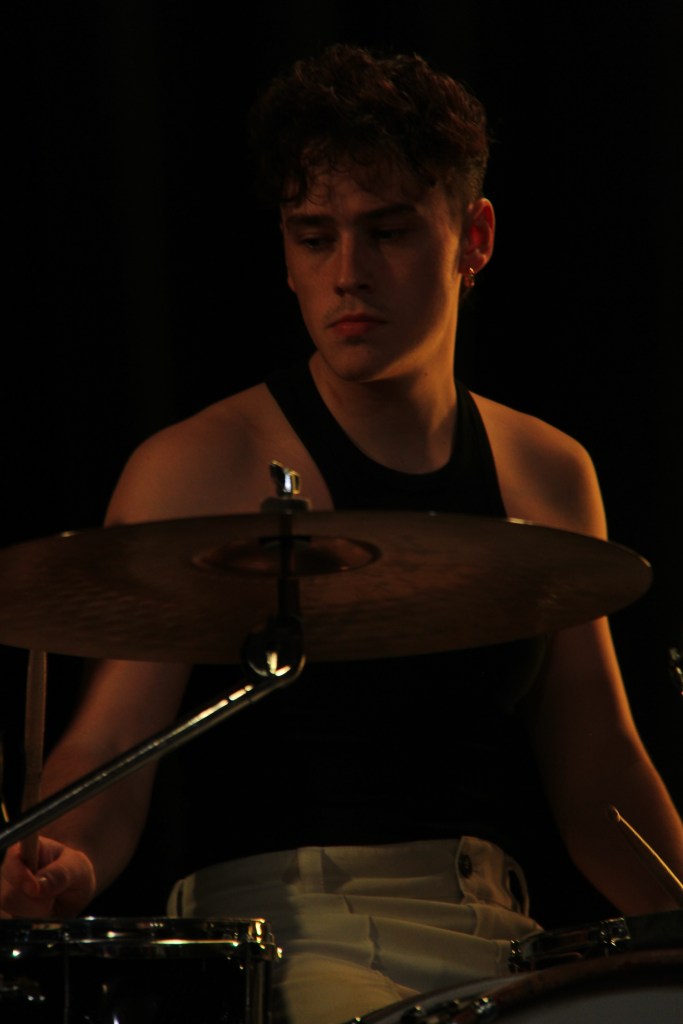
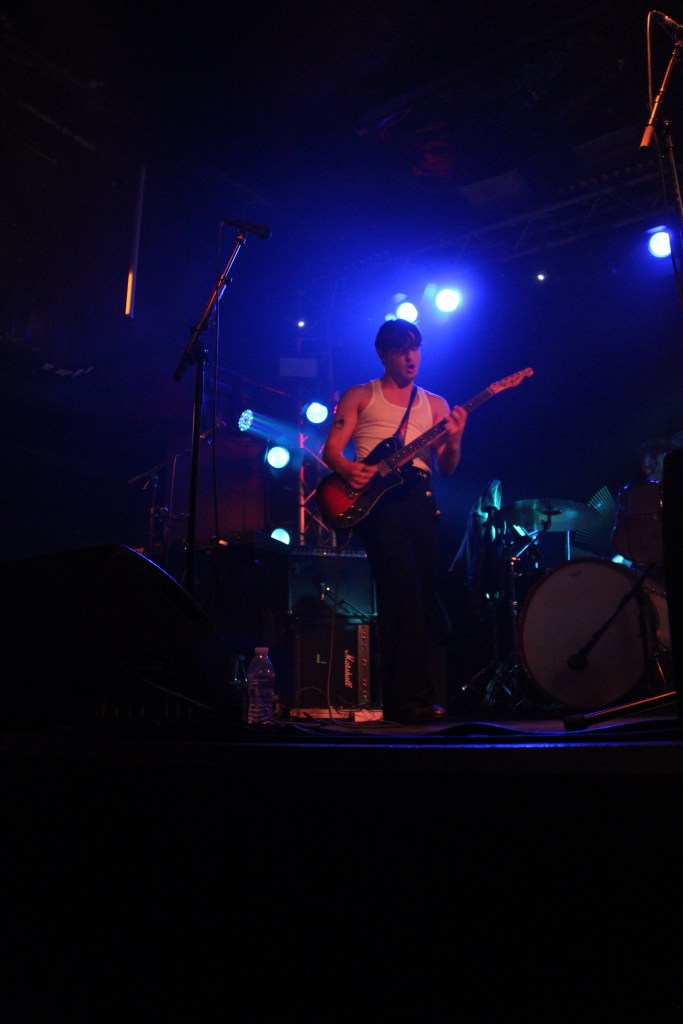
Photography by Skye Collacott Williamson.

Watch the trailer for the film here.

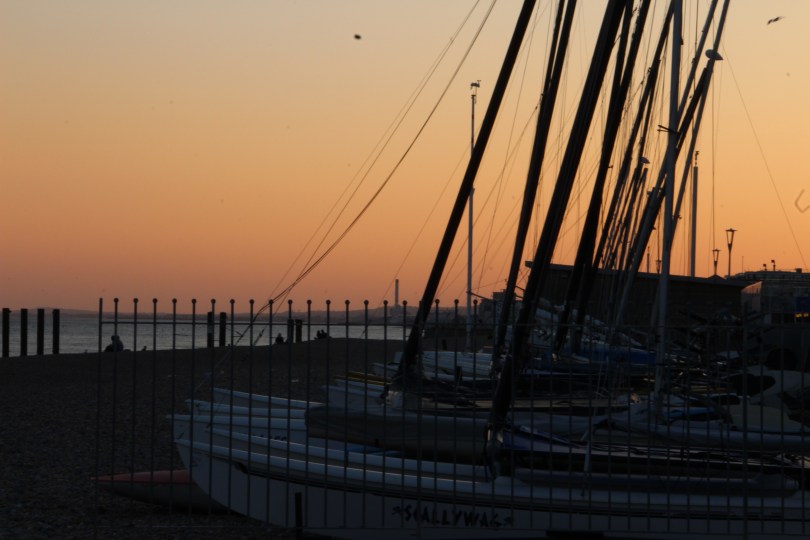
The wind swells, the ocean breeze circles in salt rust around you, men in half-deserted streets roll up their car windows, the dimming sun hidden behind darkening clouds, the light of the cinema glows within, drawing you inside, and destiny awaits. The click of the machine, the blink of electricity, the drip of the rain outside, the ticket leading you to the screen with Twisters marked above it.

The original Twister, directed by Jan de Bont, has left an indelible mark on my life, and Lee Isaac Chung continues his legacy. Like many children who deeply connected with The Lion King or Toy Story, I had a similar love affair with Twister. This film’s portrayal of the power and unpredictability of nature inspired me to pursue Geography A Level and Environmental Science. It’s a testament to the film’s influence on my career choices and my fascination with the darker side of nature.

The newest film directed by Lee Isaac Chung Twisters stars Daisy Edgar-Jones, Glen Powell, and Anthony Ramos as the protagonists. The film was shot in various locations, including Oklahoma City and Cashion, Okarche, El Reno and Chickasha, to capture the story’s essence and the tornadoes’ power.

The Plot and Characters:

Kate (Daisy Edgar-Jones) is a PhD student interested in cloud microphysics. Javi (Antony Ramos) is responsible for data collection, and three of their close friends are also involved. They need the perfect storm, the perfect conditions, the perfect tornado. However, these conditions make a tornado align too well to create an EF-5 tornado instead of the EF-1 tornado they were searching for to test their theory. The science group’s hypostasis uses sodium polymer to remove the critical element of moisture to ‘disturb a tornado’. Theoretically, it should work, but the technology to understand a tornado has not evolved yet, and there is not enough polymer for an EF-5 tornado.

The lighthearted innocence of five PhD students in the field, highlighted by the use of video cams, and the passionate excitement for a tornado turned on their heads as the thing they loved became the thing that killed them.

The film’s opening scene, where Daisy Edgar-Jones’ character screams in agony as the tornado claims her two best friends and her boyfriend, is a powerful emotional punch. The beauty of the shot, the chaos unleashed by the tornado, and the raw pain in the scream all cut to a serene white scene, almost like heavenly imagery, and then back to Daisy, covered in blood and dirt, walking through the tornado’s aftermath. This scene, with its emotional intensity, draws you in and sets the tone for the rest of the film, making you feel deeply engaged and connected to the characters. The contrast between the white eeriness and the filth conveys Kate’s loss of innocence, her love for a tornado wiped out and replaced by fear. The grey that haunts her, the grass destroyed in the path of the tornado, her heart destroyed in the path of the tornado, her ‘childish belief that’ she ‘could make a difference’ killed in the path of the tornado.

The film is a rollercoaster of non-stop action. There’s never a dull moment as it moves from one heart-pounding action sequence to another, punctuated by gut-wrenching emotional moments that keep you on the edge of your seat. The constant thrill and excitement of the film’s action sequences will keep you engaged and thrilled, making you feel each moment’s adrenaline rush and the suspense.

Five years later, Javi returns to Kate’s life with a mission and an idea to help analyse tornados. Kate has a natural gift that none of the other characters can even grace against, and that’s the feel, the presence, the essence of a tornado. The film begins.

(I would like to officially get this out the way: I would like to apologise to Glen Powell. I have only watched him Set It Up, which I hated, and I take it back, the man can act).

The echoes of Jeb throughout the film land a gut punch to my soul. They are so hidden in the movie that once you start noticing the trail left behind by you, you can not help but have glisten form in their eyes and trail water droplets down their cheeks. As Kate contemplates staying in New York or helping Javi, she is comforted by a ghost, Jeb, holding her the way he held onto her during the tornado. It is the first essence of warm tones since the accident, and as quickly as it appears, it is wiped away by a cut through the loud train tracks and her awakening in her cool-tone apartment. One can only imagine this is a regular occurrence in her life. The moment Jeb is echoing through her is during the Toronado with Owens. The mother repeats the words Jeb did, and if you listen so closely, you hear the actor also echo those words. Love truly is the knife turning inside me. Jeb is there saving Kate over and over, and his actions are reincarnated as Javi uses the physics of levers to help Kate get Owens from under a truck. Kate finally lets go of Jeb as she looks to the sky, which she once begged to; she smiles, knowing she completed their science project and has done right by him.

My director and film-critic friend, Billy Howells, wrote: ‘Let’s face it: a sequel to Twister released 28 years after the original seems like a pure cash grab, but Chung gives this movie a reason to exist artistically. It absolutely has the “tornados destroying shit” you expect from the original, and that is very well done, but his handling of the characters is what makes this movie special.

Through these characters, the audience experiences loss and what to do when their dreams conflict with their moral values. These themes and how they are structured around the characters, especially Daisy Edgar-Jones’ Kate, make it not just a fun watch but an emotionally invested one. For those reasons, Twisters feels like a true summer blockbuster and not just a product made from a machine.’

During my casual scoop on the Internet, I saw an opinion that Kate and Owen should have completed the enemies-to-lovers trope with a final kiss. The enemies-to-lovers trope a popular narrative device in romantic films and novels, was hinted at in ‘Twisters’ and was the driving force behind the original Twister but not fully realised. I agree with the Executive Producer, Steven Spielberg, that it is better without a kiss. The intensity of their love does not require the physical notion of a kiss; there is something better about the undercurrent of waiting and waiting for confirmation. It is what made Jurassic Park’s couple, directed by the Executive Producer, sizzle and live longer in film history.

Cinematography and Directing:

One can always spot an indie director by their use of camerawork inside a car. The camerawork matched the panic and chaos; it captured the fear on everyone’s faces and the haunting use of reflection. The switch from careful, smooth camerawork during the calm to the handheld whiplash camera during the storms was captivating. I only hold one note: the scene in which Owens and Kate are hiding in a pool from the tornado. I wish the camera was tilted further down upon Kate; you just about saw Owens, and I felt that it almost ruined such a beautiful moment about Jeb and Kate with Owens slightly in the shot. I still cried my eyes out, nonetheless. There was also precisely one shot where they had the rainwater go on the camera, and it’s one of my favourite B-roll shots.

My director and film-critic friend, Billy Howells, wrote: ‘When it comes to big-budget blockbusters, studios tend to have a habit of hiring indie filmmakers. Said indie filmmakers will have only previously made movies where the entire budget is the catering budget for a blockbuster.

On the surface, studios do this to intrigue people, but they actually do it to take creative control away from the filmmaker and shape the movie into a guaranteed money-maker.

In the case of Twisters, director Lee Isaac Chung previously made Minari, which had a budget of $2 million and was nominated for several Oscars. His hiring for Twisters made me very worried due to everything I just mentioned, but this truly feels like a Lee Isaac Chung movie.

I remember watching ‘The Idea of You’ and all these new films surrounding teenagers worried that I had started to see the future of filmmaking through the spine-enduring, cringe-worthy way they used social media, hashtags and cinematography. So when Boone (Brandon Perea) brought out the iPhone with the vlogging equipment, my heart dropped for the original Twister; however, I backtracked, and they did an incredible job. The use of YouTube, vlogging, and live streaming flowed the way video camera footage rolled throughout the film. It is one of the first times I have witnessed this used effectively, leaving me pleasantly surprised and intrigued by the film’s innovative approach. I appreciate that they still had the video cam footage involved; my heart will always love them and believe they should be in every film ever. It adds a level of charm that nostalgia cannot survive without.

Soundtrack:

I can assure you with my hand on my heart that as soon as my paycheck comes in, I will give my money to the employee to buy a Twisters vinyl. This film’s soundtrack, filled with classic country tunes, has become a significant part of its identity. It’s a good day to love country music, and it’s a great day to celebrate the impact that music can have in a film. Personally, the soundtrack is the first thing I notice and the first thing I will scroll onto my phone whilst leaving the cinema (even before writing a Letterboxd review). It sets the film’s tone, makes or breaks the dramatic scenes, and combines emotion.

The most noticeable songs in the soundtrack are ‘Aint No Love in Oklahoma’ by Luke Combs and ‘Out of Oklahoma’ by Lainey Wilson. Luke Combs is used to introduce Owen; it is soulful and driven, and it plays on the truck speakers as he drives in. It reminds Kate of the country, further emphasised by her nickname of city girl; it is the masculinity of America, the epitome of the cowboy, the rough and rugged man unafraid of tornados. He is an extension of nature himself.

The two songs mirror each other in a reflection of the characters. ‘Out of Oklahoma’ is the ghost of the country life as Kate returns home to her mother; she cannot outrun her hopes, her dreams, and her fears as she almost dies in another tornado alongside Owen. She hasn’t returned home in the entire five years. Reflecting Kate, it is a slower, more melancholy country song; it is a long sequence compared to the fast-paced film as she returns and finally breathes. But the film needs it.

Wardrobe and Makeup:

The wardrobe and makeup department brought this film together. I am so sick of recent careless makeup mistakes in cinema or the need to be airbrushed while they are in the middle of a natural disaster or a horror film. The makeup of this film exceeded my expectations, and I noticed it even more on the second rewatch the next day. It made the chaos and panic ever so more natural, the sweat dripping off Glen Powell and the dust combined in Daisy Edgar-Jones’s hair. It created the illusion that they got swept up near a tornado and fought against the odds. The film’s technical aspects, particularly the wardrobe and makeup, are truly impressive and will leave you appreciative of the attention to detail, making you feel impressed and immersed in Daisy Edgar-Jones’s world.

An example of both Kate’s character development and the wardrobe department, she begins in cool-tone colours, the whites, the blues. One could represent the figure of Dorothy from The Wizard of Oz, who famously wore blue and white, hence the colours of Storm Par. Alternatively, the film depicts the clean slate she wants after the accident, while Owens wears warm tones and browns to showcase his rustic side, unafraid of nature’s dark side. Another essential detail is the side-by-side of Kate and Javi in New York, both in shirts, but Kate’s is tight, restrictive, and buttoned up. In their first tornado chase, she continues this in a turtle neck and a shirt. At the same time, Javi wears shirts throughout, but buttons show his professionalism and relaxed nature despite the military training. The military background, while not quite dived into, was an interesting character point showcasing his trauma to the incident without so drastically pointing it out in writing. Another wardrode example is the change in Kate’s hair from painfully pin straight in New York to the wavy blonde mess in Oklahoma, showing her return to her roots and finally accepting the chaos, not trying to control everything due to her behaviour towards losing her boyfriend. Referring back to the cool and warm tones, she starts to wear warmer tones as she slowly begins mixing with Owens. The climax of her wardrobe coincides with the film’s climax, as she wears a red vest top and loose brown trousers to chase the last tornado. This shows she has let go of her past traumas, and the influence of Owens has brought back warmth and purpose in her life.

In conclusion, I spent my week watching this film in cinemas three times, and I cried every time. It never lost its sparkle on rewatch, and I feel a gravitational pull to it. In my books, it’s a classic.

Check out Blu-ray Billy’s video on Twisters here.
A Hot Chocolate with Max Meadows

First Published via HUB Magazine when I was Culture Editor.

Date Published: 10th March 2023.

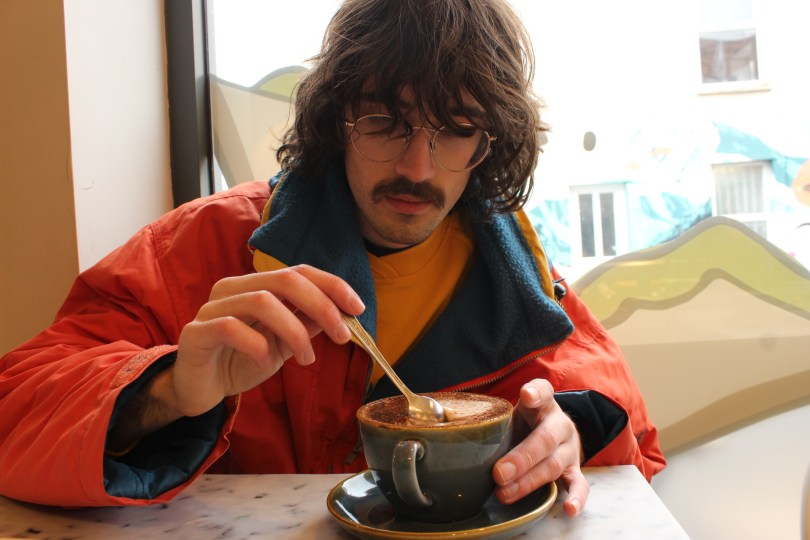
While Max Meadows has more disdain for the title of Indie Rock than coffee, he is as unfortunate as it is an Indie Rock Musician. 

If one were to meet him in person, the words whimsical, somewhat chaotic, and full of laughter come to mind. Not only is he talented at the piano, but he is also talented at erupting into laughter, so much so that you can hear him across the UWE Campus. He plays both the piano and the guitar, quite exceptionally, I may add.

Though he remarks that he does not take inspiration from other artists, I would describe his music close to The Smiths if they had more childlike wonder. While he can be seen as full of life at times, his music is much more relaxed and dreamlike, if I may use one of my favourite words: melancholy.

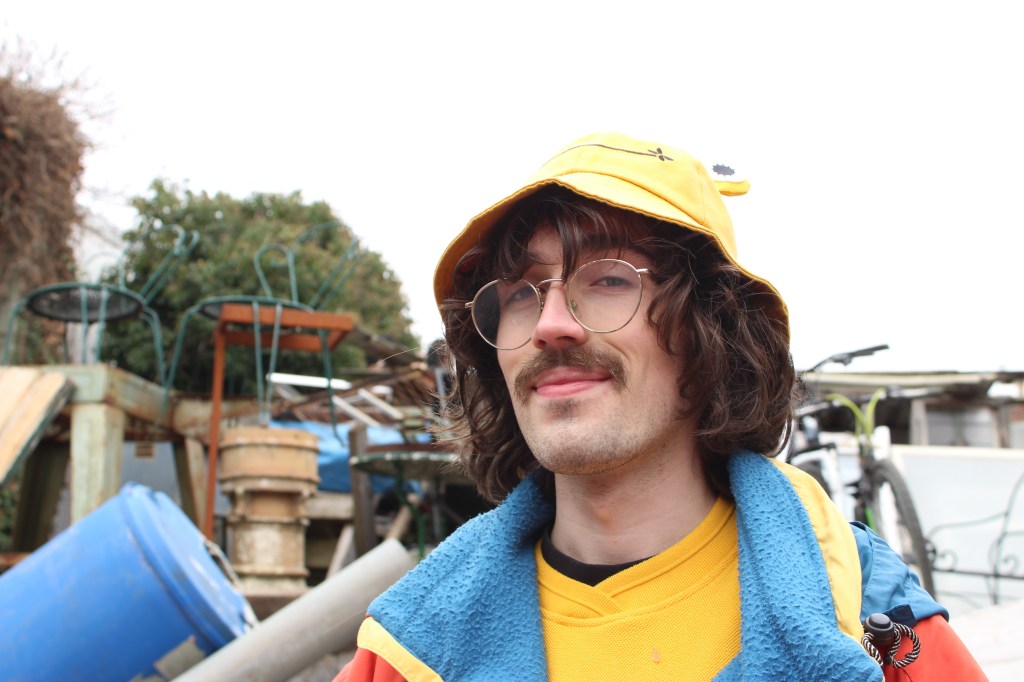
If you cannot tell from his music, Max Meadows is passionate about all aspects of art, whether fashion design, art itself or music. Before going into music, he considered a career in fashion, and maybe one day he will return to it. He designed the cover of his EP and “Sleepy Sally” while doodling in his notebook. If you can believe it, the cover is a drawing of Max Meadows himself before he had a moustache. Fun fact, he originally grew out the moustache as a joke for an 80s party, and has kept it ever since.

Not only is Max Meadows a songwriter, but he is also a poet. However, he has only shown me one Haiku, so the jury is still out on that. It is extraordinary and beautiful that his creativity clearly drives him when he writes a poem, rather than having a strategic plan before going into it, even though sometimes he doesn’t know if it will become a song. While some songs may originate from poetry, others come from wandering about the riverbanks and seeing a boat called “Lady Chloe”.

It is to be said that his interests are leaning towards film and away from poetry at the moment. When asked about possible future music videos, he vaguely replies that maybe after he has remastered his EP. Like anyone with a strong passion for art, he has an idea for music videos, but he has yet to determine how he will execute them. He is determined to one day reproduce his old EP now that he has learnt more about music production. He is driven to produce music videos for his EP once he learns more about camera work.

One day Max Meadows would also like to dip his toes into the genre of Jazz. He will probably have to learn more instruments first. Though he is a grade six alto saxophone player too. 

My favourite from Max Meadows’ “Candy Tide” EP is “My Lonely World”. It feels like being transcended into a dream. I will honestly be surprised if this does not make it into my Spotify wrapped. The melody feels like a warm or perhaps even a hot chocolate with Max Meadows. This song radiates the same warmth as the singer himself. The mixture between the soft sounds on the guitar, the playful sound of the piano, and the enchanting singing, along with the echoing effect of the voice on the track. The chorus makes the song relaxing, creating the feeling of home and safety.

Although, if you want a groovier vibe, may I suggest either “Candy Tide”, the EP’s namesake, “In a Dream” or “Nocturnal Love”. Stanley Ward on the drums makes “Nocturnal Love” very different from the rest of the EP, and it is beginning to be one of my favourites. Both “Lady Chloe” and “Lucy” mimic each other by the repetitive nature of the continuous singing of the names.

The most beautiful and perhaps, the best song on the album belongs to “Sleepy Sally”. It is a breathtakingly beautiful, yet a heart-aching song and the chorus will get stuck in your head for hours. Ironically the chorus keeps me up at night with it playing in my mind. 

Max Meadows’ “Candy Tide” is an EP that I would recommend as you stare at the ceiling with some dim lights on and just allow the music to flow through you.  

A Gig with Wild Horse

First Published via HUB Magazine when I was Culture Editor.

Date Published: 19th May 2023.

Wild Horse consists of two brothers Jack and Henry Baldwin and their best friend Ed Barnes from a primary school in East Sussex. Since 2018, they have released four albums: ‘When The Pool Is Occupied’ (2021), “WE ARE IN AN IDENTITY CRISIS…BUT WE LOVE IT’ (2020), DANCE!! Like An Animal’ (2019), and ‘Sings About Last Night’ (2018).

Henry Baldwin and Ed Barnes started a band together during secondary school until Jack Baldwin was convinced by his brother to join while still in primary school. Jack was beginning to learn guitar, so it seemed like perfect timing. Jack jokingly claims he only learnt guitar, as his brother got all the attention at family parties, as he would play songs for the family. However, it all works in the end. Jack enjoys ‘being the centre of attention’, which is apparent in his stage presence when performing gigs. He is lively and joyful, and gets the crowd going.

While it is a cliché to say it’s better live, I mean that for this band, the lead singer Jack Baldwin puts on a performance to Matty Healy’s chaos and energy. Jack comments in his interview that ‘the 1975 are a guilty pleasure’.

‘When The Pool Is Occupied’ (2021)

The 2021 album ‘When The Pool Is Occupied’ is coherent and must be listened to from start to finish. The album’s ending resembles The Beatles’ Abbey Road’, the brilliance of ending an album with a short closing song, ‘Thank you (It’s Gonna Be Alright)’, but with a twist, they also begin the album this way, ‘Happy Love Songs’.

The album is introduced through a very raw song that is heavy on the keys. It perfectly follows into ‘Freaky Together’ until the drums are introduced into the song, which increases the song’s groove and picks up the beat. Jack belts out the vocals with a rougher undertone in their performance, and the music is catchy.

In comparison, ‘Pornstar Martini’ starts with a more classic rock vibe, and the singing is much softer. At the same time, ‘W.A.N.T’ is heavy on the guitar.

One of my favourites from the album is ‘Coffee In The Morning’, which feels like an authentic and raw song concept. It starts softly, with the keys and strong vocals. While most songs have the music at the forefront, the singing and lyrics take the spotlight for this song. Especially the way Jack belts out the lyrics, ‘I don’t know you, but I want to feel your skin on mine, welcome to the autumn time’.

Jack engaged heavily with the audience during the introduction of ‘Feel’.

Another one of my favourites is ‘Anxiety’, and the backing vocals throughout bring the song to life. The best part of the song is the electric guitar song, about 2 minutes and 20 seconds. The use of the guitar song without the lyrics over the top is almost what anxiety itself is like. Though the lyrics aren’t present, you can still hear them like an echo in your mind, almost like worrying thoughts.

Ed’s use of drummers throughout ‘Symphony of Broken Hearts’ creates an almost anxious feeling. The buildup of drums is an outstanding part of the song. The drums feel like a representation of a broken heartbeat combined with the use of keys, making a beautiful and painful heartbreak song.

‘Playin’ On My Mind’ and ‘Pray ’89’ feel like summery indie pop songs. Something great to blast on in the car on the way to the beach.

‘Confidence’ reminds me of a very 2000s aesthetic song. Perfect for getting ready to go clubbing or getting prepared to see Wild Horse at a gig.

‘Record Collection’ is currently on repeat for me, between this and ‘Joy Ride’. When playing this song, you can’t help but dance along. It’s the catchiest of the entire album. The outro with the guitar and the drums is pop perfection.

The album highlights the musical range of the band and the singing range of Jack Baldwin.

‘Cougar‘ got the most significant reaction from the audience. It also has the best beat drop of the singles.

Joy Ride’ was the best performance of the night from Wild Horse. It is undoubtedly my most played from the band. The melody scratches an itch in my mind, especially one minute in with the way Jack sings, ‘I can’t keep it together oooo’. All the instruments work together smoothly, while also keeping the sound interesting. With this song playing in the car or at a party, it would be hard to resist dancing to the groovy tune. The song begins slowly to ease you, then grows into a charming pop song. When choosing which song should be the next single, Jack replies that it’s a ‘gut feeling’ that he will look at some songs and ‘just know’.

Their new single, ‘Tangled‘, will be released on the 12th of May.

Lead vocalist Jack Baldwin writes most of the songs for Wild Horse. However, songwriting is only one of his many talents. He can also play guitar and keyboard, and is self-taught learning the saxophone. Jack tends to write demos for Ed and Henry to listen to; this helps the band choose songs to produce and record. Usually, the idea for songs comes from the guitar, but most recently, for Jack, it has come from ‘messing about on the keys.’

While drummer for most songs, Ed Barnes can also play the guitar. He plays the guitar on the song ‘Just About Enough’ from the album ‘When the Pool is Occupied’. He is a self-taught drummer who works out the drums for the song by working with Jack to play the guitar. Ed helps put the rock in the rock ‘n roll aspect of the music.

Henry Baldwin, the bass guitarist, learnt to play the guitar in year three and was one of the youngest in his school to learn an instrument. As the band progressed and the songs changed, Jack began singing a lot more, so Henry decided to step up as bass guitarist for the band. He also wrote many keys for the new single ‘Tangled’.

Half the reason for the band’s name is, of course, a reference to The Rolling Stones; all the band members would choose The Rolling Stones over The Beatles. The other reason is after Neil Diamond’s band ‘Crazy Horse’. They came up with the idea at eleven years old after a gig in the car.

When asked what songwriters inspired Jack Baldwin, he lists the typical ‘The Beatles… Noel Gallagher’, before finishing with ‘One thing I think Taylor Swift is a really good songwriter, I have a lot of respect for her… I love Taylor Swift’. Jack describes songwriting as an outlet, while Henry describes it as a sense of expression.

The most controversial question and the most subjective:

‘What genre would you describe your music as?’

Jack: ‘We fit somewhere between like indie pop, indie funk maybe.’

Henry: ‘But then we got a lot of classic rock elements in there… blues is in there as well.’

Ed: ‘I think we have a bit of a phobia of repeating the same thing more than once.’

The Reversal of the Love Story: (500) Days of Summer (2009)

First Published via HUB Magazine when I was Culture Editor.

Date Published: 24th March 2023.

From the director who simultaneously directed both the best Spider-Man and the worst Spider-Man film comes the rom-com of the decade, Marc Webb’s (500) Days of Summer. The film is non-chronological, so the audience watches the love story knowing it ends badly and cuts in between the present and the past. Hopeless Romantic Tom (Joseph Gordan-Levitt) meets non-commitment, manic pixie dream girl Summer (Zooey Deschanel) and believes she is The One he has been searching for.

(500) Days of Summer is a cautionary tale about the idea of finding the one. The whole concept is a selfish way of thinking, and it can only lead to disappointment. While the film implies that it is Summer’s fault the relationship didn’t work, it is the intense pressure Tom puts upon himself and Summer to be the one.

As no result of her own, Summer falls into the category of a manic pixie girl. She is seen in many films with a male protagonist. Examples include Scott Pilgrim vs the World (Edgar Wright), Her (Spike Jonze) and Paper Towns (Jake Schreier). The manic pixie girl is a reductive delusion created by the male fantasy of childlike playfulness, somewhat tomboyish but hot. If he likes cars, she is Megan Fox in Transformers. If he is uptight, she’s Jennifer Aniston in Along Came Polly, and if he wants The Smiths, she’s Zooey Deschanel.

The choice of The Smith songs is interesting, using both ‘Please, Please, Please, Let Me Get What I want’ and ‘There is a Light That Never Goes Out’. The use of these songs sets up Tom as a hopeless, yet very needy romantic. It always mirrors the way Tom feels about Summer. Even though she clearly states she does not want a relationship, he doesn’t care, and he has placed her on a pedestal that she is now his home and reason for living.

The film’s colour palette also symbolises the failing relationship between Tom and Summer. In most of Tom’s scenes, he wears brown, which blends with his surroundings, whereas Summer predominately wears blue throughout, whether in a full skirt or just blue accessories.

Furthermore, 32 minutes after they have slept together, Tom has a dance number, and almost all the background dancers have some variation of blue. This could suggest Tom is both in Summer’s world, but as he still wears brown and beige, he does not belong in her world. This colour palette difference is most apparent at 47 minutes when they struggle to sleep. The warm tones of Tom clash with the cool blue tones of Summer. The expectations vs reality scene also uses the colour palette, and the expectations have more reds and browns in the background, as it is Tom’s fantasy.

The most phenomenal scene from this entire film is at 1:07:53 when ‘Hero’ by Regina Spektor begins playing, and the screen is split between expectations and reality shots. Using the song ‘Hero’ shows Tom believes he is the hero of this story, and that Summer is the villain by being engaged. Though the audience already knows that Tom is a hopeless romantic, this scene brings it hard to understand how much he has shaped Summer into being someone she isn’t, from small details of the expectations of an intimate dinner with red wine to the reality of a rooftop party with beer to the different people at the party. This infers that he doesn’t know all of Summer’s friends, as that doesn’t matter in his fantasy, and the red wine connotes a romantic side to Summer he has made up. Even the tiniest details in 1:09:32, the expectations have a shot of blurred lilies in the forefront, and the reality has roses. The moment the shot moves from expectations vs reality is when Tom sees the engagement ring. Marc Webb beautifully panels the camera from his face to circle around to his back to show Summer showing off her ring.

Similar to the expectations vs reality scene, there is a parallel at 13:45 and 57:46 where everything he loves about Summer turns into everything he hates about Summer. This implies Tom can easily change how he views things. Therefore, how he sees everything that happened with Summer is unreliable.

The directorial style reminds me of Wes Anderson (The Grand Budapest Hotel, 2014) in using old Hollywood film reel shots, two parallel shots, and characters breaking the fourth wall with a particular use of black and white film shots. This directorial style can symbolise Tom’s mindset of hopeless romanticism due to romance and old films. The repeated shots at 1:10:00 are also very Wes Anderson style. Obviously, this film came before this mentioned Wes Anderson film.

The question the audience asks at the end when the Autumn count begins is whether Tom learnt his lesson. My theory is based on the first two minutes of the film. The narrator mentions Tom misread the ending of The Graduate by Mike Nichols (1967) and that he will also misread the ending with Summer. Instead of seeing his mistake of trying to find the one through shared interests, he sees it as misplacing the wrong girl as the wrong. If you haven’t seen The Graduate, in the last scene, Ben (Dustin Hoffman) and Elaine (Katharine Ross) escape Elaine’s wedding and are on the bus. Their facial expressions quickly change from happiness to melancholy as the doubts settle in.

In conclusion, (500) Days of Summer is a must-watch for all rom-com fans and hopeless romantics to rebalance themselves.

References-

Anderson, Wes. The Grand Budapest Hotel. Fox Searchlight Pictures, 2014. 

Bay, Michael. Transformers. DreamWorks Pictures, 2007. 

Hamburg, John. Along Came Polly. Jersey Films, 2004. 

Jonze, Spike. Her. Warner Bros. Pictures, 2013. 

Schreier, Jake. Paper Towns. Fox 2000 Pictures, 2015. 

Nichols, Mike. The Graduate. Lawrence Turman Films, 1967. 

Webb, Marc. (500) Days of Summer. Fox Searchlight Pictures, 2009. 

Webb, Marc. The Amazing Spider-Man. Columbia Pictures, 2012. 

Webb, Marc. The Amazing Spider-Man 2. Columbia Pictures, 2014. 

Wright, Edgar. Scott Pilgrim vs. The World. Universal Pictures, 2010. 

Art as a Lifeline: Comparing The Fabelmans (2022) to Dead Poets Society (1989).

First Published via HUB Magazine when I was Culture Editor.

Date Published: 6th March 2023.

While one may compare Steven Spielberg’s The Fabelmans (2022) to Damien Chazelle’s Babylon (2023), I suggest viewing it in the same light as Peter Weir’s Dead Poets Society (1989).

Steven Spielberg’s latest film, The Fabelmans, follows a young boy who dreams of becoming a director and explores filmmaking’s beauty. The film also beautifully showcases the divide in the family between those who are logical, like the father, and those who are artistic, like the mother. While the mother is demonised throughout the film due to her affair with the father’s best friend and shows signs of mental illness, it is still clear that her love of music keeps her going through life.

Like Dead Poets Society, the father wishes his son to end this phase of art and find a real career. Unfortunately, both sons continue their love of art despite their father’s wishes, slowly destroying both relationships. Both films show that the artistic son looks to his mother for support and hopes to defend himself from his father.

Dead Poets Society follows a group of boys in a boarding school as they gain a new English Literature teacher that shows them the beauty of poetry: “We don’t read and write poetry because it’s cute, we read and write poetry because we are members of the human race. And the human race is filled with passion”. When he went to the boarding school, this teacher was part of the Dead Poets Society. In following his footsteps, the boys decide to recreate this society. Each boy is presented with his lifeline of art.

Though it is clear from the first fifteen minutes that Neil Perry (Robert Sean Leonard) wants more from life, he wants to continue with the newspaper, but his father refuses to do this as he should do something more meaningful. As the film continues with the influence of Professor Keating (Robin Williams) to follow his passion, he auditions for the drama production of A Midsummer’s Night Dream. When his father finds out, he takes him out of boarding school and informs his son that he will go to military school, as the behaviour is unacceptable. Neil Perry sees no other way out. In tragic symbolism, he places the forest crown from the play on his head and goes into his father’s office to shoot himself in the head. One may also infer that art could symbolise homosexuality, as the film closely follows his relationship with Todd Anderson (Ethan Hawke).

Todd Anderson is presented as a shy kid, similar to Sam Fabelman (Gabriel BaBelle), who finds his voice through poetry. However, where his father discourages Sam in his pursuit of filmmaking, Todd’s parents seem absent from the film, only to arrive after Neil Perry’s death.

Both films also present art as a group-oriented activity between boys. While Sam is in Texas, his scout’s group joins in with his filmmaking. There is this beautiful moment Sam is directing a war-inspired film in the desert of Texas, where Sam gives a story to one of the lead boys. The scene is used to create emotion in the audience. As he ends the scene walking through the pretend dead bodies of the soldiers, the lead boy begins crying. Though this raw emotion of crying is not in Sam’s camera shot, only the audience of The Fabelmans sees this vulnerability. This could suggest how the patriarchy tells men how to behave and keep emotions down as they are viewed as feminine.

While The Fabelmans is generally a serious film with moments of beauty and humour taken from family interactions, Steven Spielberg breaks the fourth wall in the last scene. As Sam Fabelman is being interviewed and questioned by the same director that inspired him to make films, there is a lesson learnt about where the sun should be in shots. The director asks Sam to point out where the sun and light are coming from in the paintings in his office. It is observed that the sun should always be either at the top of the shot or from the bottom to make it interesting. As Sam Fabelman leaves the office, the wide shot of the street has the sun in the middle of the shot. There is this moment of hesitation and an undeniable movement to change where the sun is in the shot.

The Fabelmans ends on an uncertain note of whether Sam ever makes it as a director or not. The film takes place throughout his childhood to college years, whereas the Dead Poets Society only occurs at that time of year. Dead Poets Society begins with a ceremony for the new year and ends with the funeral of Neil Perry. As an audience, we do not know what happens to the boys after this life-changing year. However, in the most tear-jerking scene ever written, Professor Keating has been fired due to Neil Perry’s death. As he leaves, Todd Anderson stands on top of the desk and yells, “O, Captain. My Captain”. Slowly, the other boys begin standing at their desks to say goodbye to Professor Keating. This shows Professor Keating has done his job writing to make these boys think for themselves and express themselves through art.

References-

Chazelle, Damien. Babylon. Paramount, 2022.

Spielberg, Steven. The Fabelmans. Universal Pictures, 2022.

Weir, Peter. Dead Poets Society. Touchstone Pictures, 1989.

A Love Story About Divorce: Comparing Ticket to Paradise (2022) to Marriage Story (2019)

First Published via HUB Magazine when I was Culture Editor.

Date Published: 14th October 2022.

As soon as I saw the trailer, I knew it was going to be corny, but as Kate Winslet says in The Holiday (Nancy Meyers, 2006), “I like corny, I’m looking for corny in my life”. Ticket to Paradise (Ol Parker, 2022) is unapologetically corny. While it is easy to dismiss a corny film, I found that this film moved me deeply. 

This film follows the bickering divorced couple (played by Julia Roberts and George Clooney), who come together to stop their daughter’s wedding. While they continue to argue throughout the film, their love for each other is increasingly apparent to the audience. Ticket to Paradise plays with the fine line between love and hate, juxtaposing their displays of love in private settings with competitive hatred when in public. 

It’s interesting to see Lucas Bravo play a comedic role rather than the swoony romantic role he played in Emily in Paris. While here he was merely a side character playing Roberts’ rebound boyfriend, he still managed to bring life and humour to the performance. I was also pleasantly surprised by Kaitlyn Dever and Maxime Bouttier, as this was the first film of theirs that I have seen and do not disappoint. 

The film is set in Bali, making the cinematography breathtaking in every scene. However, those are not the shots that stood out to me. Instead, it was the lonely bar scene. Clooney sits at a bar with a neon bar backdrop, with only him and one bartender there. At this moment where the audience truly sees how lonely Clooney is. 

Whereas Roberts is peacefully asleep, Clooney is awake and frequenting a bar – having just realised that his ex-wife has finally moved on. When his daughter’s best friend approaches him, he describes how his marriage ended. The director portrays this change of emotion from the cold, lonely wide shot to a brighter shot featuring more close-ups. Clooney brilliantly conveys all the emotions of a divorce. This was the first time that I wept. This scene reminded me of the ending of Marriage Story (Noah Baumbach, 2019). There is something truly moving about seeing two divorced people with love still in their hearts. 

Ticket to Paradise is a story about falling back in love. The film begins with the characters discussing their divorce, with side characters asking about their divorce and current relationship. This film asks why the good stuff should be left for later when you could do it now instead. This is incredibly different from the real world, where two people would have to discuss what getting back together would entail. 

This film maintains a similar concept to the one shown in Marriage Story. In the beginning, Scarlet Johansson and Adam Driver read out letters to the audience that they refuse read to each other, whether out of embarrassment or pride is unclear and frankly unimportant. This allows the audience to understand the full picture of their relationship and grow close to the couple themselves. Towards the film’s closing, Driver finds their son reading Johansson’s letter and even begins to cry when he reads that she still loves him. This full-circle moment allows Johansson and Driver to become civil and loving parents even if they are not together anymore.  

Both films have the reoccurring blue imagery, whether that’s the blue sea in Ticket to Paradise and his blue shirt or the blue walls and Driver’s blue shirt in the letter scene of Marriage Story. This blue could represent the calm that comes with finally having closure, whether that is restarting their relationship, such as in the former or remaining civil such as in the latter film. 

The mother’s feelings are equally important in both films, with both films reflecting on how the mothers feel as if they have lost themselves to motherhood. Johansson’s character emphasises that she feels lost in Driver’s life, reduced to simply a wife and mother rather than a person. Roberts leaves Clooney, also fearing the loss of individuality that comes with being a wife and mother. 

This concept has begun to be touched more in films, with one of the most obvious being Lili Reinhart’s performance in Look Both Ways (Wanuri Kahiu, 2022). These characters have felt so absorbed by motherhood that they are no longer a person, only a mother. While that sentiment is strongly felt, it is essential to note this does not define their love for their children. The love for their child that brings Clooney and Roberts back together. Ticket to Paradise emphasises the importance of communication in a marriage. Both parents were struggling with parenthood and having a partner. Neither wanted to stress their partner, leading both to crumble and break. This is reflected in the symbolism of the dream house burning, which they believed to show the lack of love in their marriage instead playing the part of the stress they both felt. 

I believe that Ticket to Paradise, through the electric chemistry between Roberts and Clooney, the remarkable cinematography, and the perfect balance of comedy and romance, is one of my favourite releases this year.  

References 

Baumbach, Noah. Marriage Story. Netflix, 2019. 

Fleming, Andrew. Emily in Paris. Netflix, 2020. 

Kahiu, Wanuri. Look Both Ways. Netflix, 2022. 

Parker, Ol. Ticket to Paradise. Universal Pictures, 2022. 

Meyers, Nancy. The Holiday. Universal Pictures, 2006.